Build Strength to Elevate Your Dance Performance
- TP

- Mar 25
- 4 min read
Updated: Apr 28
Dance is an incredible art form that combines creativity, expression, and physical fitness. As dancers strive to perfect their performances, building strength becomes an essential component of their training. This post will explore how focusing on strength can significantly enhance your dance performance.
Strength plays a crucial role in dance. It not only helps dancers execute moves with precision and control but also increases endurance and reduces the risk of injury. Every dance style requires a unique set of muscles, and developing these specific muscle groups through strength training can improve your overall performance.
For instance, ballet dancers need strong legs for jumps and turns, whilst aerial dancers must focus on core strength to nail all those inversions. According to a study published in the Journal of Dance Medicine and Science, incorporating strength training into regular dance practice can enhance performance metrics by up to 20 percent. This demonstrates the importance of integrating strength-building exercises into your dance training routine.
Key Strength Building Exercises for Dancers
Dancers can benefit from a variety of strength exercises. The following are some essential strength-building exercises that can help elevate your dance performance.
1. Squats
Squats are fantastic for developing lower body strength. They target the quadriceps, hamstrings, and glutes—muscles crucial for maintaining stability and executing powerful dance movements. Aim for three sets of up to 16 repetitions, ensuring you maintain proper form.
2. Planks
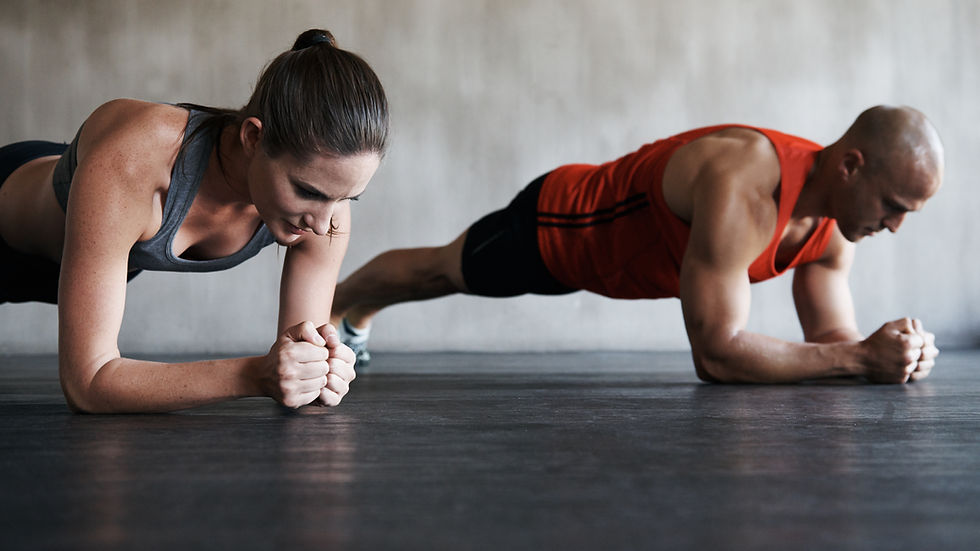
Planks strengthen the core, an essential component for all dancers. A strong core helps maintain balance and stability during performances. Start with 16 seconds and gradually increase to one minute or more. You can also experiment with different variations, such as side planks or commando planks.
3. Lunges
Lunges not only work your lower body but also improve flexibility and balance, which are vital in dance. Incorporate forward and backward lunges into your routine, performing three sets of 8-16 reps on each leg.
Check out the PDC Movement Quality Guide for the correct form and different variations of all these three exercises.
Importance of Flexibility Alongside Strength
Whilst building strength is essential, flexibility should not be overlooked. The balance between strength and flexibility is vital in dance. Tight muscles can hinder movement efficiency and increase the risk of injury.
As dancers build strength, they must also engage in stretching routines to maintain flexibility. Dynamic stretches before practice help prepare the body, whilst static stretches post-training aid in recovery. For example, consider incorporating hamstring stretches and hip flexor stretches into your cool-down routine.
Statistics show that dancers who incorporate flexibility training experience fewer injuries. Research in the Journal of Dance Medicine and Science found that regular flexibility training could reduce the likelihood of injuries by up to 30 percent. Our active flexibility course, designed specifically for dancers, will transform your training experience by providing tailored workouts to improve strength and flexibility at the same time.
Technique and Form: The Foundation of Safe Training
Even with the best strength training routine, proper technique and form are vital. Poor form can lead to injuries and hinder your dance performance. Here are a few tips for maintaining proper form:
Focus on alignment: Whether in a squat, lunge, or any dance move, ensure your knees do not extend beyond your toes. Keeping your back straight is crucial to avoid strain.
Control your movements: Fast, jerky movements can lead to injuries. Emphasise control in every repetition to build muscle effectively.
Seek feedback: Working with a dance instructor can provide valuable insights into your form and technique. Constructive feedback can help you make the necessary adjustments to improve both strength and performance.
By prioritising technique alongside strength training, dancers can build a solid foundation that ensures safe and effective dance practice.
Nutrition: Fuelling Your Strength Development
Building strength requires proper nutrition. Without the right fuel, your body might struggle to perform at its best. Focus on a balanced diet rich in lean proteins, whole grains, fruits, and vegetables. Adequate protein intake is particularly important for muscle repair and growth. Aim for at least 0.8 grams of protein per kilogramme of body weight daily.
Hydration is equally critical. Water plays a vital role in muscle function and recovery. Aim for at least eight glasses of water each day, and adjust this based on your activity level.
Consider supplementing your diet with vitamins and minerals to support your body. Calcium, for example, is essential for bone strength, whilst magnesium plays a key role in muscle contraction and recovery.
The Role of Mindset in Strength Training
A positive mindset can significantly impact your strength training journey. Embracing challenges and viewing setbacks as opportunities for growth can enhance your motivation. Remember, every dancer faces obstacles, but it's how we respond that makes the difference.
Setting realistic goals is also crucial. Break your larger objectives into smaller, manageable milestones. Celebrate each achievement, no matter how small, to keep your spirits high. This approach fosters a sense of accomplishment and encourages continued progress.
Final Words...
Building strength is an integral part of enhancing your dance performance. By incorporating a variety of strength exercises into your routine, ensuring proper technique, maintaining flexibility, and fuelling your body appropriately, you can take your dancing to new heights.
Remember that the journey to improved strength and performance takes time. Stay consistent with your training, listen to your body, and keep setting new goals. As you develop your strength, you'll find that your dance abilities flourish, enabling you to express your artistry with confidence and power. Embrace the challenge and watch how strength transforms your dance journey!

Comments